
You may be interested in learning more about induction cooking, as it has become increasingly popular in residential kitchens, but passionate home cooks may be more interested in mastering a more efficient cooking method. Throughout this article, we will explain how induction cookers work, how to use them, and what their key benefits are. So let's take a look.
What Is an Induction Cooker?
An induction cooker, also known as an induction cooktop or induction stove, is a modern kitchen appliance that uses electromagnetic induction to heat cookware directly. Unlike traditional gas or electric cooktops, which rely on thermal conduction, induction cookers generate heat within the cookware itself. This process involves using an electromagnetic field to induce a current in a compatible metal pot or pan, leading to the generation of heat.
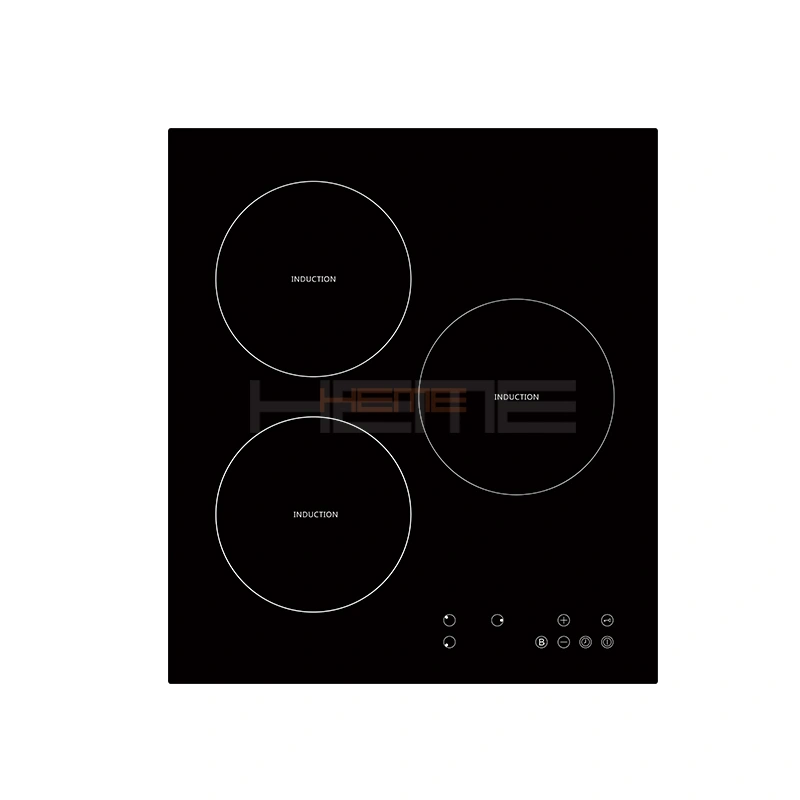
How to Use Induction Cooker?
Using an induction cooker is straightforward, but there are a few key steps and considerations to ensure efficient and safe operation. Here's a step-by-step guide on how to use an induction cooker:
1. Choose Suitable Cookware
- Induction cookers work with cookware that has a magnetic base. Ensure your pots and pans are compatible by checking if a magnet sticks to the bottom. Suitable materials include cast iron and certain types of stainless steel.
2. Place Cookware on the Induction Cooker
- Position: Place the selected cookware on the cooking zone (induction zone) of the cooker.
- Centering: Ensure the cookware is centered on the induction zone for optimal heating.
3. Power On the Induction Cooker
- Power Button: Turn on the induction cooker using the power button or the main control panel.
- Select the Cooking Zone: If your induction cooker has multiple cooking zones, select the one corresponding to the size of your cookware.
4. Set the Cooking Temperature
- Temperature Controls: Adjust the cooking temperature using the temperature controls. Induction cookers typically offer precise temperature settings.
- Boost Function (if available): Some cookers have a boost function that provides maximum power for a short period. Use this for rapid heating.
5. Cooking
- Add Ingredients: Place your ingredients in the cookware.
- Cooking Process: Monitor and adjust the temperature as needed throughout the cooking process.
6. Power Off and Remove Cookware
- Power Off: When finished cooking, turn off the induction cooker using the power button.
- Remove Cookware: Lift the cookware from the induction zone. The surface will cool down rapidly.
7. Cleaning
- Wait for Cooling: Allow the cooker to cool down completely before cleaning.
- Wipe Clean: Use a damp cloth or sponge to wipe the ceramic surface. Avoid abrasive cleaners.
Tips for Using Induction Cookers
- Avoid Empty Cookware: Do not operate the induction cooker with empty cookware, as it can lead to overheating.
- Use Flat Cookware: Ensure the base of the cookware is flat for proper contact with the induction zone.
- Be Mindful of Magnetic Fields: Keep credit cards, electronic devices, and other items sensitive to magnetic fields away from the cooker.
By following these steps and tips, you can effectively use an induction cooker to prepare your favorite meals with precision and efficiency.
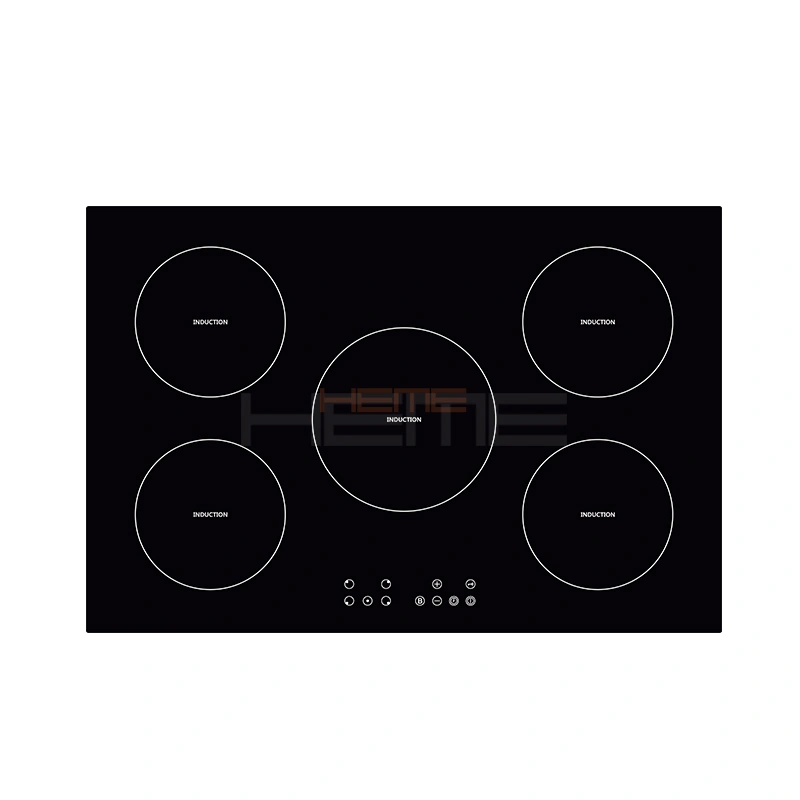
Advantages of Induction Cookers
- Speed and Precision: Induction cookers heat up significantly faster than traditional methods, offering precise control over cooking temperatures for better results.
- Safety Features: Induction cookers are designed with safety in mind. They remain cool to the touch, reducing the risk of burns, and automatically shut off when cookware is removed.
- Easy Cleanup: With no open flames and a flat surface, induction cookers are easy to clean. Spills and splatters are less likely to burn onto the surface.
Difference Between Electric and Induction Cooker
Induction Cooker
Induction cookers are gaining popularity, especially as their prices decline. Many of its features make it a popular choice for homeowners. However, there are some disadvantages (mostly around its price) worth taking into consideration before you purchase. The induction cooktop, for instance, has fewer variations than electric cooktops and usually has a glass top.
Pros
- Cooktops remain cool to the touch after cooking.
- Easier to clean because the surface remains cool.
- There’s no residual heat, which means lower energy costs and a cooler kitchen area.
- Faster cooking times, boiling water in half the time that it takes gas to do so.
Cons
- Generally more expensive than electric counterparts.
- Requires induction-compatible cookware, like cast iron and stainless steel.
- At higher settings, you might hear a buzz or humming sound.
- The magnetic field can interfere with a digital thermometer.
Electric Cooktops
Electric cooktops have been around for decades, and most people feel very comfortable using them. The main difference with induction cooktops is that electrical cooktops have residual heat, even after the electrical current stops. Of course, electric cooktops also have a downside, mainly around the type of heat they produce. Here are some advantages and disadvantages to consider before choosing an electric cooktop.
Pros
- Easier to install and easy to use.
- Provide some residual heat that can help keep food warm or for simmering.
- Provide controlled and managed heat that can also help bring energy costs down.
Cons
- Residual heat can be potentially dangerous, especially in households with children.
- Electric cooktops take longer to heat up, increasing cook time.
- The coils often provide uneven distribution of heat.
Choosing The Right One
The choice between an electric cooktop and an induction cooktop is very personal. It all depends on your preferences and priorities. For those who prefer something familiar, an electric cooktop is the best choice. When it comes to a cooktop that heats evenly and rapidly, reduces energy consumption, and increases safety because there is no heat transfer, an induction cooktop is the ideal choice.
Meanwhile, induction cooktops may be a more compatible choice if you are concerned with energy efficiency. On the other hand, if you prefer to shop for a more affordable option that doesn’t require special cookware, an electric cooktop is the best choice. Ultimately, your decision will be based on your cooking style, kitchen needs, and budget.
Meanwhile, induction cooktops may be a more compatible choice if you are concerned with energy efficiency. On the other hand, if you prefer to shop for a more affordable option that doesn’t require special cookware, an electric cooktop is the best choice. Ultimately, your decision will be based on your cooking style, kitchen needs, and budget.
Best Induction Cooker Supplier | Zsheme
Zsheme has gained widespread popularity as a global provider of induction cookers. Renowned kitchen appliance companies worldwide place their trust in Zsheme manufacturers. With 22 years of experience in manufacturing induction cookers, Zsheme offers ODM and OEM services for your brand. You can leverage the benefits of our extensive expertise in the field. Zsheme's range of induction cookers includes various sizes, such as:
30cm induction hob
45cm induction hob
60cm induction hob
70cm induction hob
80cm induction hob
90cm induction hob
45cm induction hob
60cm induction hob
70cm induction hob
80cm induction hob
90cm induction hob
Whether you have a small or big business that needs to import a high-quality induction cooker, Zsheme has to offer. We are your reliable induction cooker manufacturer in China for more than 10 years. Zsheme offers a complete range of induction cookers to support your business, available in many designs.a