
Built-in ovens seamlessly integrate into your kitchen cabinetry, enhancing the overall aesthetic while maximizing floor space utilization. With a modern design and comprehensive features, these ovens offer convenience without compromising on style. Placed at eye level, they provide easy access and allow you to monitor your culinary creations without the need to bend down.
When shopping for a new built-in oven, ensuring it fits seamlessly into your kitchen space is essential. After all, finding the perfect model is futile if it doesn't align with your kitchen's dimensions. Thankfully, measuring for a built-in oven is straightforward, with primarily two major sizes to consider: single and double. These standard sizes are tailored to fit into common cavity dimensions, simplifying the selection process.
A single oven typically offers a capacity ranging from 60 to 110 liters, suitable for typical family needs. On the other hand, a double oven increases the capacity to between 90 and 130 liters, ideal for larger families or those who frequently host gatherings or prepare elaborate meals.
Regardless of your requirements, our guide will ensure a smooth journey towards finding the perfect built-in oven for your kitchen. So, grab your tape measure, and let's get started on creating culinary masterpieces with ease, whether you prefer gas or electricity!
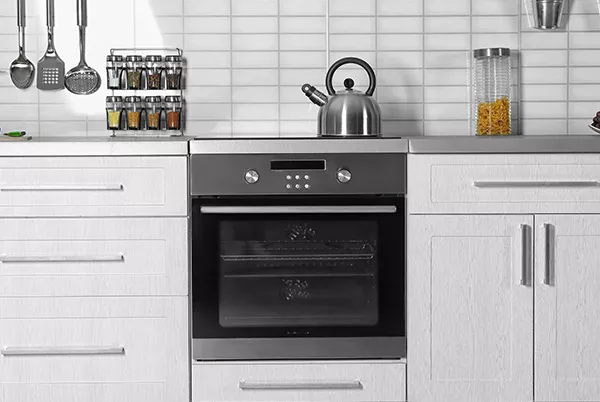
Standard Single Oven
Typically, standard wall oven sizes are available in widths of 24, 27, or 30 inches, while the depth and height dimensions generally remain consistent regardless of the width chosen. Single wall ovens typically stand between 27 to 29 inches in height, while their depths typically range from 22 to 24 inches, allowing them to fit snugly within standard cabinets. When factoring in handles and doors, the overall depth may extend to 27 inches.
It's important to note that these measurements pertain to the size of the cutout required for installation, with the actual units being slightly smaller to fit within the designated space. For instance, a wall oven necessitating a 30-inch width cutout may measure approximately 28 ½ inches in width. As individual models can vary, it's advisable to consult the manufacturer's recommended cutout dimensions or installation guide before finalizing your selection.
Zsheme offers a comprehensive range of standard-size single wall ovens, boasting powerful features designed to streamline your cooking process and expedite meal preparation.
It's important to note that these measurements pertain to the size of the cutout required for installation, with the actual units being slightly smaller to fit within the designated space. For instance, a wall oven necessitating a 30-inch width cutout may measure approximately 28 ½ inches in width. As individual models can vary, it's advisable to consult the manufacturer's recommended cutout dimensions or installation guide before finalizing your selection.
Zsheme offers a comprehensive range of standard-size single wall ovens, boasting powerful features designed to streamline your cooking process and expedite meal preparation.
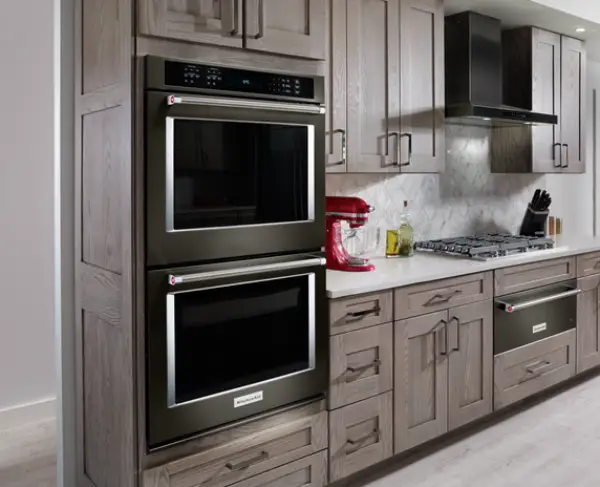
Double Wall Oven
Double wall ovens typically adhere to the same standard widths of 24, 27, and 30 inches, with depths ranging from 22 to 24 inches or 27 inches when accounting for door and handle widths. The primary variation in dimensions lies in the height of double wall ovens, which typically exceeds 50 inches.
Built-In Oven Considerations Before Measuring
1.Assessing Available Space
Before purchasing a built-in oven, it's crucial to assess the available space in your kitchen. Start by determining the width, height, and depth of the cabinet or wall cavity where the oven will be installed. Measure both the width and height at multiple points to account for any irregularities in the space.
2.Understanding Cutout Dimensions
Built-in ovens typically come with specific cutout dimensions, which refer to the size of the opening required for installation. These dimensions may vary depending on the oven model and manufacturer. Refer to the product specifications provided by the manufacturer to determine the exact cutout dimensions needed for your chosen oven.
3.Considering Surrounding Cabinetry
Take into account the surrounding cabinetry and countertop when measuring for a built-in oven. Ensure that there is adequate clearance between the oven and adjacent cabinets to allow for proper ventilation and door opening. Additionally, verify that the oven's depth aligns with the depth of the cabinetry to achieve a flush installation.
4.Checking Electrical and Plumbing Requirements
Check the electrical and plumbing requirements for the built-in oven, including voltage, amperage, and outlet configuration. Ensure that the existing electrical wiring and outlets meet the specifications outlined by the manufacturer. If necessary, consult a qualified electrician or plumber to make any necessary modifications or upgrades.
5.Allowing for Ventilation
Proper ventilation is essential for the safe and efficient operation of a built-in oven. Check the manufacturer's guidelines for ventilation requirements, including minimum clearance distances from combustible materials and ventilation openings. Ensure that there is adequate space around the oven for airflow and that any ventilation ducts are properly installed.
6.Consulting Installation Instructions
Before finalizing your purchase, carefully review the installation instructions provided by the manufacturer. These instructions will outline the specific requirements and procedures for installing the built-in oven, including recommended cutout dimensions, electrical connections, and ventilation requirements. Follow these instructions closely to ensure a successful installation.
Before purchasing a built-in oven, it's crucial to assess the available space in your kitchen. Start by determining the width, height, and depth of the cabinet or wall cavity where the oven will be installed. Measure both the width and height at multiple points to account for any irregularities in the space.
2.Understanding Cutout Dimensions
Built-in ovens typically come with specific cutout dimensions, which refer to the size of the opening required for installation. These dimensions may vary depending on the oven model and manufacturer. Refer to the product specifications provided by the manufacturer to determine the exact cutout dimensions needed for your chosen oven.
3.Considering Surrounding Cabinetry
Take into account the surrounding cabinetry and countertop when measuring for a built-in oven. Ensure that there is adequate clearance between the oven and adjacent cabinets to allow for proper ventilation and door opening. Additionally, verify that the oven's depth aligns with the depth of the cabinetry to achieve a flush installation.
4.Checking Electrical and Plumbing Requirements
Check the electrical and plumbing requirements for the built-in oven, including voltage, amperage, and outlet configuration. Ensure that the existing electrical wiring and outlets meet the specifications outlined by the manufacturer. If necessary, consult a qualified electrician or plumber to make any necessary modifications or upgrades.
5.Allowing for Ventilation
Proper ventilation is essential for the safe and efficient operation of a built-in oven. Check the manufacturer's guidelines for ventilation requirements, including minimum clearance distances from combustible materials and ventilation openings. Ensure that there is adequate space around the oven for airflow and that any ventilation ducts are properly installed.
6.Consulting Installation Instructions
Before finalizing your purchase, carefully review the installation instructions provided by the manufacturer. These instructions will outline the specific requirements and procedures for installing the built-in oven, including recommended cutout dimensions, electrical connections, and ventilation requirements. Follow these instructions closely to ensure a successful installation.
How to Measure for a Built-In Oven
Step 1: Remove Your Current Wall Oven
If your existing wall oven is still installed within the cutout or cabinet, it's essential to remove it before proceeding with measurements. This ensures precise and accurate dimensions for your new appliance.
Step 2: Measure the Standard Wall Oven Cutout Width
Standard wall ovens typically come in widths of 24, 27, or 30 inches. Using a measuring tape, determine the width of the cutout by measuring from the left inside cabinet edge to the right inside cabinet edge. This measurement will help you identify the suitable size appliance for your space.
Step 3: Measure the Wall Oven Cutout Depth
Measure the distance from the wall to the front of the cabinet face, excluding the cabinet door, to ascertain the depth of your wall oven cutout. Most standard cabinets have a depth of around 24 inches.
Step 4: Measure the Oven Cutout Height
Determine the height of your wall oven cutout by measuring from the top of the cutout opening to the bottom. Keep in mind that the height can vary significantly depending on whether you're installing a single or double wall oven configuration.
If your existing wall oven is still installed within the cutout or cabinet, it's essential to remove it before proceeding with measurements. This ensures precise and accurate dimensions for your new appliance.
Step 2: Measure the Standard Wall Oven Cutout Width
Standard wall ovens typically come in widths of 24, 27, or 30 inches. Using a measuring tape, determine the width of the cutout by measuring from the left inside cabinet edge to the right inside cabinet edge. This measurement will help you identify the suitable size appliance for your space.
Step 3: Measure the Wall Oven Cutout Depth
Measure the distance from the wall to the front of the cabinet face, excluding the cabinet door, to ascertain the depth of your wall oven cutout. Most standard cabinets have a depth of around 24 inches.
Step 4: Measure the Oven Cutout Height
Determine the height of your wall oven cutout by measuring from the top of the cutout opening to the bottom. Keep in mind that the height can vary significantly depending on whether you're installing a single or double wall oven configuration.
Shop Zsheme Wall Ovens to Find the Right Size
If you are in the market for a new wall oven or you are renovating your kitchen, then our selection of wall ovens is sure to satisfy your needs. Convection cooking, Power Preheat and our Precision CookingTM system are just some of the features we have to offer.
Are you prepared with your measurements? If so, why not take a look at our selection of ovens offered by Zsheme.
Are you prepared with your measurements? If so, why not take a look at our selection of ovens offered by Zsheme.