
You may be in the market for a new hob and have been looking around at all the different types available to you such as ceramic, induction, electric and gas. In this article, we will cover the basics of ceramic hobs. It is imperative that you do your research before buying appliances for your home, so that you can ensure you make the best decisions possible for your home. You cannot simply purchase appliances on a whim, so you have the proper groundwork.
What Is a Ceramic Hob?
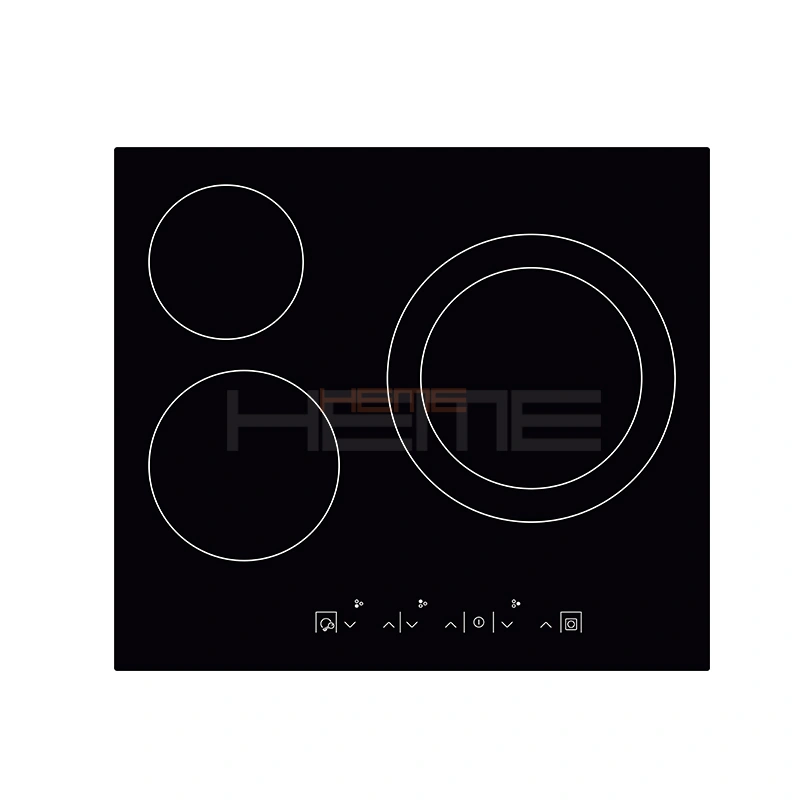
A ceramic hob, also known as a ceramic cooktop or ceramic stove, is a type of cooking surface commonly found in kitchens. It is a modern alternative to traditional gas or electric coil stovetops. The key feature of a ceramic hob is its smooth, glass-ceramic surface, which is both stylish and easy to clean.
How Does a Ceramic Hob Work?
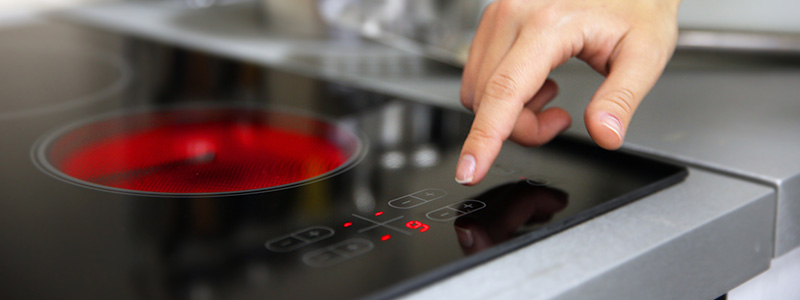
A ceramic hob works by using electric heating elements underneath a smooth, glass-ceramic surface to transfer heat to cookware placed on top. The ceramic hob has heating elements underneath its zones. The heating zone will often have a coil that is activated by the electrical current. It will glow red as it heats. The glass is then heated, which then transfers the heat to the food.
Here's a step-by-step breakdown of how a typical ceramic hob operates:
- Smooth Surface: The ceramic hob has a flat, smooth surface made of tempered glass-ceramic. This surface is durable, aesthetically pleasing, and easy to clean.
- Electric Heating Elements: Beneath the glass-ceramic surface, there are electric heating elements. These elements are typically made of a resistant material that generates heat when an electric current passes through it.
- Control Panel: Ceramic hobs come with a touch-sensitive control panel located on the surface. This control panel allows users to turn on/off the hob, select cooking zones, and adjust the temperature of each zone independently.
- Power Supply: When a user selects a cooking zone and adjusts the temperature, electricity flows through the corresponding heating element beneath the chosen zone.
- Radiant Heat: The electric heating element generates radiant heat, which is transferred to the glass-ceramic surface. The smooth surface then radiates this heat evenly to the cookware placed on top.
- Cookware Interaction: For the cooking process to occur, users place pots or pans made of ferrous material (such as iron or magnetic stainless steel) on the ceramic surface. The heat generated by the hob is transferred to the cookware, and from there, it is further transferred to the food inside.
- Temperature Control: Users can adjust the temperature of each cooking zone to control the heat applied to the cookware. The touch controls allow for precise temperature adjustments, giving users better control over the cooking process.
- Residual Heat Indicators: Many ceramic hobs are equipped with residual heat indicators. These indicators show whether a cooking zone is still hot even after it has been turned off. This feature enhances safety by preventing accidental burns.
How to Use a Ceramic Hob?
Using a ceramic hob is relatively straightforward. Here's a step-by-step guide on how to use it:
1.Turn On the Ceramic Hob
Use the hob's control panel to turn it on. Most ceramic hobs have touch-sensitive controls. Select the desired cooking zone and adjust the temperature according to your recipe.
2.Place Cookware on the Cooking Zone
Once the hob is on and the cooking zone is selected, place your cookware on the chosen zone. The ceramic surface will begin to heat up, and the heat will transfer to the cookware.
3.Adjust Temperature as Needed
Use the hob's controls to adjust the temperature as needed during cooking. Ceramic hobs offer precise temperature control, allowing you to increase or decrease the heat to suit your cooking requirements.
4. Cooking and Stirring
Cook your food as you normally would on any stovetop. Stirring and flipping food items at regular intervals will help ensure even cooking.
5.Turn Off the Ceramic Hob
When you're done cooking, turn off the hob using the control panel. Ensure that all cooking zones are turned off.
6. Wait for Cooling
Ceramic hobs retain heat even after they are turned off. Wait for the hob to cool down before cleaning. Residual heat indicators, if present, will help you determine which zones are still hot.
Remember, never place empty cookware on a heated ceramic hob as it could damage both the hob and the cookware.
Use the hob's control panel to turn it on. Most ceramic hobs have touch-sensitive controls. Select the desired cooking zone and adjust the temperature according to your recipe.
2.Place Cookware on the Cooking Zone
Once the hob is on and the cooking zone is selected, place your cookware on the chosen zone. The ceramic surface will begin to heat up, and the heat will transfer to the cookware.
3.Adjust Temperature as Needed
Use the hob's controls to adjust the temperature as needed during cooking. Ceramic hobs offer precise temperature control, allowing you to increase or decrease the heat to suit your cooking requirements.
4. Cooking and Stirring
Cook your food as you normally would on any stovetop. Stirring and flipping food items at regular intervals will help ensure even cooking.
5.Turn Off the Ceramic Hob
When you're done cooking, turn off the hob using the control panel. Ensure that all cooking zones are turned off.
6. Wait for Cooling
Ceramic hobs retain heat even after they are turned off. Wait for the hob to cool down before cleaning. Residual heat indicators, if present, will help you determine which zones are still hot.
Remember, never place empty cookware on a heated ceramic hob as it could damage both the hob and the cookware.
What Are the Advantages of a Ceramic Hob?
- Sleek Design:Ceramic hobs have a sleek, flat surface made of tempered glass-ceramic that adds a modern and stylish look to the kitchen.
- Energy Efficient:Ceramic hobs are more energy-efficient than traditional gas hobs.Ceramic hobs heat up quickly, allowing for faster cooking times.
- Easy to Clean:The smooth surface is easy to clean, as there are no raised burners or coils. Spills and splatters can be wiped away with a damp cloth, making maintenance simple and convenient.
- Precise Temperature Control:The touch-sensitive controls on ceramic hobs provide precise temperature control, allowing users to adjust heat levels with accuracy. This feature is particularly useful for delicate cooking processes.
What Are the Disadvantages of a Ceramic Hob?
- Gradual Temperature Changes: A drawback associated with ceramic hobs is their relatively slow responsiveness to temperature adjustments. When a recipe necessitates an immediate increase or decrease in heat, ceramic hobs may not exhibit the rapid response seen in gas or induction hobs.
- Heat Retention: Ceramic hobs retain heat even after being turned off. While this can be advantageous for keeping dishes warm, it also means that the hob maintains elevated temperatures for a considerable period, presenting a potential safety concern, particularly in households with children.
- Durability: The ceramic glass surface, although resistant to heat, is susceptible to scratches and, in more severe instances, cracking if heavy objects are accidentally dropped onto it.
What Is the Difference Between Induction and Ceramic Hobs?
While induction hobs and ceramic hobs may have a similar appearance but they are fundamentally very different appliances. The main difference between induction hobs and ceramic hobs is the method in which heat is generated.
Induction hobs are similar to electric hobs, except they have coils beneath their surfaces that generate heat by causing electrical currents to pass through the surface of the pan or metal object. Because it uses less power and stays cold until you place a pan on it, it uses less energy than other types of electric hob. It is the ideal appliance for anyone looking for a high quality appliance that saves them money on their utility bills. Induction hobs are the perfect choice for anyone.
Electric hobs produce heat by passing an electric current through elements located beneath the ceramic glass surface of the hob rather than by using high-frequency electromagnets. Induction hobs rely on electromagnets to generate heat, whereas electric hobs use elements located beneath the ceramic glass surface. In electric cooking, there are two kinds of hobs: solid plate and ceramic. Ceramic hobs refer to the style and streamlined look of the hob instead of the way the hob is actually operated. With a wipe-clean fascia, the ceramic glass makes it easy to use and clean.
An electric solid plate hob refers to a black sealed plate that heats and cools gradually, and has a black seal on it. Typically, it consists of four-ring electric plates. To ensure the maximum efficiency of the heat transfer between the solid plate and the pan, we suggest only using pots and pans with a flat base.
Induction hobs are similar to electric hobs, except they have coils beneath their surfaces that generate heat by causing electrical currents to pass through the surface of the pan or metal object. Because it uses less power and stays cold until you place a pan on it, it uses less energy than other types of electric hob. It is the ideal appliance for anyone looking for a high quality appliance that saves them money on their utility bills. Induction hobs are the perfect choice for anyone.
Electric hobs produce heat by passing an electric current through elements located beneath the ceramic glass surface of the hob rather than by using high-frequency electromagnets. Induction hobs rely on electromagnets to generate heat, whereas electric hobs use elements located beneath the ceramic glass surface. In electric cooking, there are two kinds of hobs: solid plate and ceramic. Ceramic hobs refer to the style and streamlined look of the hob instead of the way the hob is actually operated. With a wipe-clean fascia, the ceramic glass makes it easy to use and clean.
An electric solid plate hob refers to a black sealed plate that heats and cools gradually, and has a black seal on it. Typically, it consists of four-ring electric plates. To ensure the maximum efficiency of the heat transfer between the solid plate and the pan, we suggest only using pots and pans with a flat base.
In Conclusion
In the modern kitchen, ceramic hobs offer a wonderful mixture of form and function. They are stylish, easy to use, and efficient. This guide provides you with all the information you need about ceramic hobs. Remember,your cooking needs, your kitchen style, and your budget will ultimately determine which hob is right for you.
For our full range of ceramic hobs, you’ll find them in our cooking section.Such as:30cm Ceramic Hob,45cm Ceramic Hob,60cm Ceramic Hob,80cm Ceramic Hob,90cm Ceramic Hob.
For our full range of ceramic hobs, you’ll find them in our cooking section.Such as:30cm Ceramic Hob,45cm Ceramic Hob,60cm Ceramic Hob,80cm Ceramic Hob,90cm Ceramic Hob.