
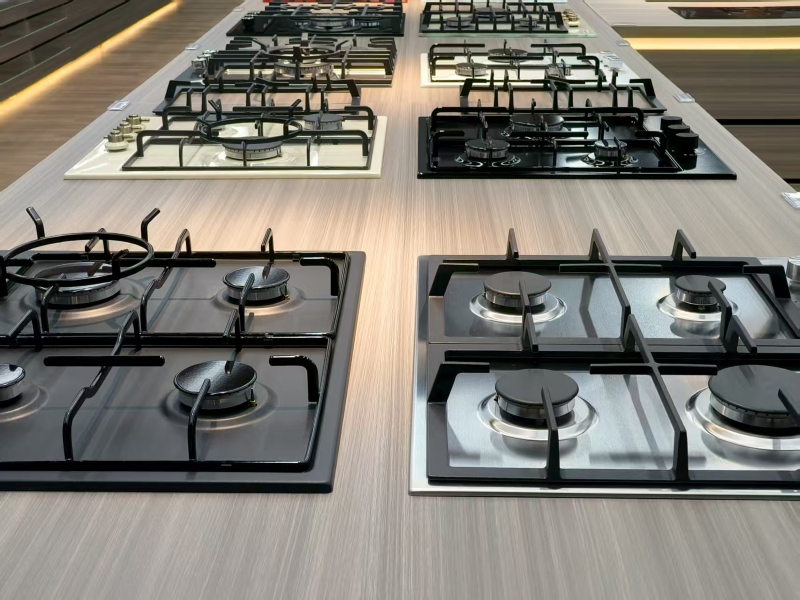
1. Key Details and Functions of the Modern Gas Cooktop
A high-quality gas cooktop stands as the heart of any functional kitchen, blending precise heat control with user-friendly design to elevate daily cooking. Most models feature 2 to 5 burners—ranging from a powerful 3.4kW wok burner for searing stir-fries to a gentle 1.0kW simmer burner for melting chocolate or warming soups—ensuring versatility for every recipe. The cooktop’s surface, either enamel or stainless steel, sits atop a sturdy metal frame, with sealed burners that prevent food crumbs and spills from seeping into internal components. Many modern units also include safety features like automatic ignition (no more fumbling with matches), flame failure devices that cut gas flow if the flame goes out, and removable burner grates for easy access during cleaning. Some premium gas cooktops add touch controls or knob guards to prevent accidental adjustments, while LED indicators show which burners are active. Whether you’re a home baker needing steady heat for sauces or a busy parent whipping up weeknight dinners, this appliance’s mix of power and practicality makes it a kitchen staple.
2. Standout Advantages of the Gas Cooktop
What sets a gas cooktop apart from electric or induction alternatives is its unmatched responsiveness and efficiency. Unlike electric coils that take time to heat up and cool down, gas burners deliver instant, adjustable heat—you can switch from a roaring boil to a low simmer in seconds, perfect for recipes that demand quick temperature shifts. The open flame also provides even heat distribution across the bottom of pots and pans, reducing hot spots that ruin delicate dishes like pancakes or risotto. Both enamel and stainless steel surface options add unique perks: enamel resists stubborn stains from tomato sauce or oil, while stainless steel boasts impressive durability against dings. Additionally, gas cooktops work during power outages, a lifesaver during stormy weather, and they’re compatible with all cookware types—cast iron, copper, glass, and aluminum—no need to invest in special pots.
3. Enamel Surface Gas Cooktops: Pros and Practicality
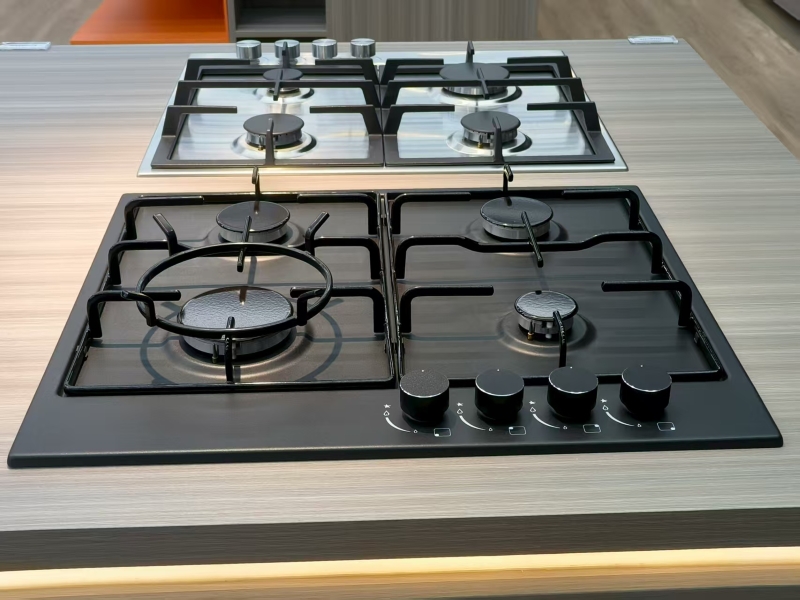
For home chefs who prioritize easy cleaning and a sleek look, gas cooktops with enamel surfaces are a top pick. The enamel coating—made by fusing glass to metal at high temperatures—creates a smooth, non-porous finish that repels spills. A splatter of olive oil or a dollop of curry sauce wipes away with a damp cloth and mild soap, even if left to sit for hours; some high-end models can handle gentle scrubbing with steel wool without scratching. Enamel also comes in vibrant colors like black, white, or red, letting you match the cooktop to your kitchen’s decor. However, this surface has a tradeoff: it’s prone to chipping if hit with heavy pots or dropped utensils. A small chip might not affect performance at first, but over time, moisture can seep under the enamel and rust the metal beneath. To keep it in top shape, avoid sliding cookware across the surface and use padded pot rests.
4. Stainless Steel Surface Gas Cooktops: Durability and Everyday Use
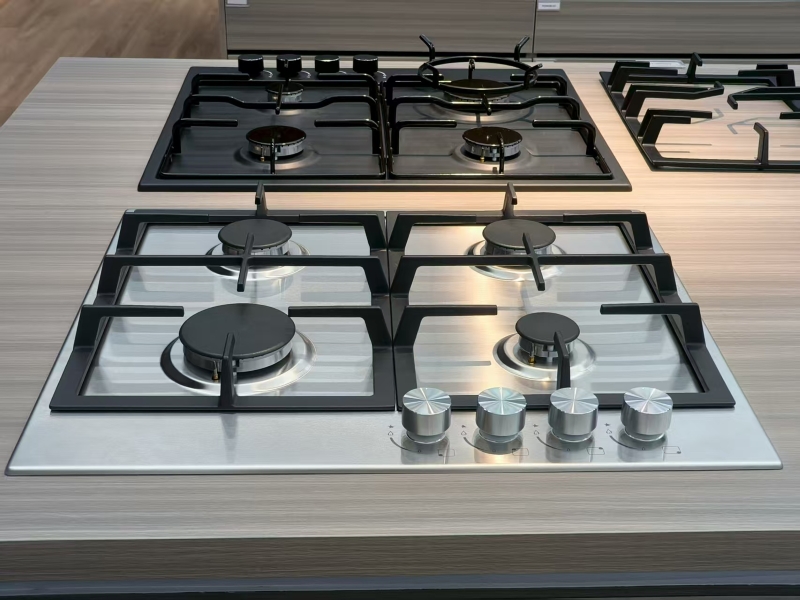
If you want a gas cooktop that can handle heavy use without showing wear, stainless steel is the way to go. This material is tough—its high hardness resists dents from dropped lids and scratches from metal utensils, making it ideal for families with kids or frequent entertainers. The brushed stainless steel finish also hides minor smudges and fingerprints better than polished versions, though you’ll still need to wipe it down regularly with a stainless steel cleaner to maintain its shine. While smooth stainless steel cleans easily, brushed varieties can trap tiny food particles, so a soft-bristle brush helps get into the grooves. Another bonus: stainless steel’s resistance to extreme temperatures means it won’t crack if you place a hot pot directly from the oven onto the cooktop. Unlike enamel, it won’t chip, and even if it gets scratched, the scratch won’t affect its performance or lead to rust.
5. Choosing the Right Gas Cooktop for Your Needs
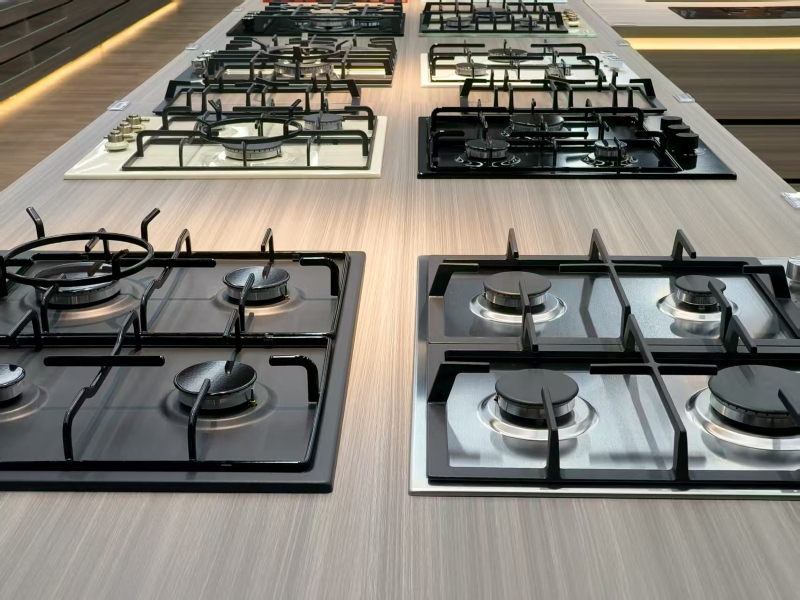
When picking between an enamel and stainless steel gas cooktop, start with your daily habits. If you hate scrubbing tough stains and prefer a cooktop that looks new for years (with careful use), enamel is your best bet—just be mindful of handling heavy cookware. If you cook often, have kids, or prioritize durability over frequent cleaning, stainless steel will serve you better; its ability to withstand bumps and scrapes means it will last a decade or more with minimal maintenance. Budget also plays a role: enamel cooktops are slightly more expensive because the coating process is more complex, while basic stainless steel models are affordable (high-end 316 stainless steel versions cost more, though). Ultimately, both surfaces pair perfectly with the gas cooktop’s core strengths—quick heat, versatility, and safety—so you can’t go wrong. The goal is to choose the one that fits how you cook, clean, and live in your kitchen.