
There is no kitchen that would be complete without a gas cooker hob – it is one of the most important elements of any kitchen, and the one that is right for you will cater to all your cooking needs. A wide variety of cooking hobs are available on the market these days, so it is easy to get overwhelmed by the sheer number.
Gas hobs provide many benefits and look stylish and modern in your kitchen. If you plan on buying one, keep reading to learn more about the appliance.
Gas hobs provide many benefits and look stylish and modern in your kitchen. If you plan on buying one, keep reading to learn more about the appliance.
What Is a Gas Hob
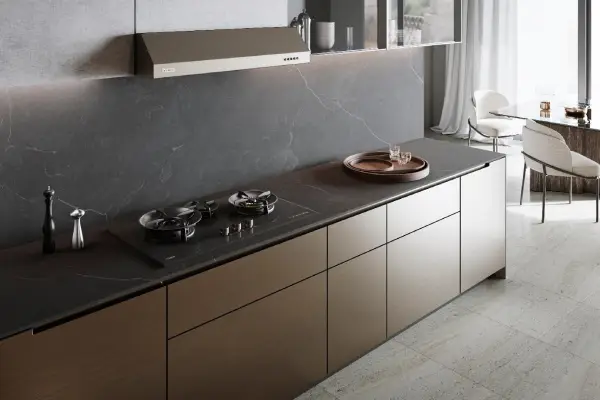
Unlike traditional gas stoves, gas hobs have some contemporary features and designs that others on the market lack. They are a customised gas stove that serves a unique purpose and structure. Although the operation of a gas hob is basically the same as that of a gas stove, it usually looks more attractive and upscale.
The built-in cooktop's gas pipes are hidden, resulting in a sleek, seamless appearance in the kitchen. Additionally, they are perfect for small kitchens since they do not appear bulky. Built-in hobs use pulse ignition technology, which means you don't need a lighter or matchstick to light the burners.
In comparison to a freestanding cooktop, a built-in hob can not be moved because it has been installed permanently, whereas a freestanding cooktop is movable. Built-in hobs are more expensive than freestanding cooktops, and they take longer to prepare food than their freestanding counterparts.
How Does a Gas Hob Work?
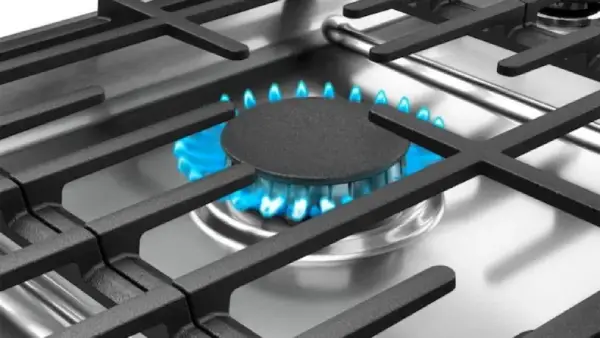
A gas hob works essentially the same way that a stove does. You connect the gas to a supply pipe, where a spark ignites the gas. When the flame ignites, it heats both the pan and the air around it, which enables you to cook the food within the pan with ease.
How to Use a Hob?
Operating built-in hobs is straightforward. Similar to conventional cooktops, the knobs are conveniently located on the front panel. With modern built-in hobs, there's no need for lighters or matches to ignite the burners. Simply turn the knob to activate the auto-ignition feature, and the burners will light up instantly.
Both electric and gas built-in hobs are available, each offering convenient ignition methods. Electric models utilize an electrical array for ignition, eliminating the need for a cumbersome lighter. Gas hobs feature pulse ignition technology, allowing users to start the burner by simply turning a knob.
The latest built-in hobs come equipped with multi-flame burners, offering enhanced control over heat distribution. These burners allow individual management of the inner and outer rings, enabling precise temperature adjustment. The dual rings of flames ensure thorough cooking and provide users with greater flexibility in food preparation.
When considering kitchen hobs, there are two main options to choose from. Traditional gas hobs utilize a gas-fueled flame for heating and are available in gas-on-steel or gas-on-glass variants. The more contemporary option is the electric hob, which comes in three variations: ceramic, classic electric sealed plate, and induction. Among these, the induction hob stands out as the fastest and most efficient, utilizing magnetic fields for heating. The ceramic hob features a sleek, easy-to-clean surface, while the classic electric sealed plate hob operates similarly to traditional electric hobs but with a cleaner appearance. Each type of hob offers distinct advantages, catering to different preferences and cooking needs.
What Are the Advantages and Disadvantages of Gas Hobs?
Professional kitchens have long used gas hobs for a variety of reasons. While a classic choice given its responsiveness and direct flame that can be controlled easily, it does have some advantages and disadvantages to consider before making a decision.Let’s take a look at the pros and cons of gas hobs:
Advantages of Gas Hobs
- Instant Heat: Gas hobs provide immediate heat when ignited, allowing for quick cooking and precise temperature control.
- Even Heat Distribution: Gas burners distribute heat evenly across the cooking surface, ensuring uniform cooking of food.
- Versatility: Gas hobs are suitable for various cooking techniques, including frying, boiling, simmering, and grilling.
- Energy Efficiency: Gas is often more energy-efficient than electric alternatives, resulting in lower energy bills.
- Compatibility with Cookware: Gas hobs are compatible with a wide range of cookware materials, including stainless steel, cast iron, and copper.
Disadvantages of Gas Hobs
- Open Flame: Gas hobs produce an open flame, which can pose a safety hazard if not handled properly, especially in households with children or pets.
- Ventilation Requirements: Proper ventilation is essential when using gas hobs to prevent the accumulation of combustion by-products such as carbon monoxide.
- Installation Constraints: Gas hobs require access to a gas supply line, which may limit placement options in the kitchen and necessitate professional installation.
- Cleaning Challenges: The grates and burners of gas hobs can be more difficult to clean compared to smooth electric cooktops.
- Dependence on Gas Supply: Gas hobs rely on a steady supply of natural gas or propane, meaning they may not be suitable in areas with unreliable gas infrastructure or during power outages.
How to Choose the Right Gas Hob?
To select the right gas hob for your kitchen, consider the following factors:
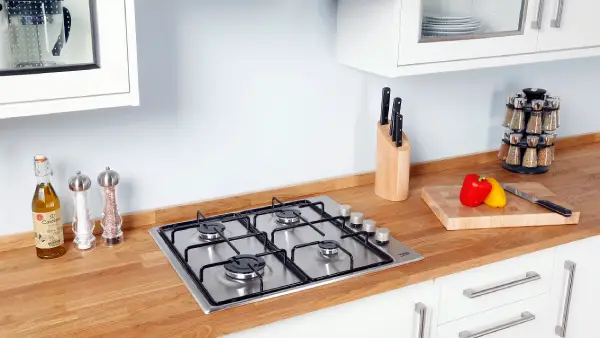
1.Number of Burners: Determine how many burners you need based on your cooking habits and the size of your household. Choose between 2 and 3 burners for versatility and efficiency.
2.Material: Decide between toughened glass or stainless steel gas hobs based on your aesthetic preferences and durability requirements. Toughened glass offers a sleek, modern look, while stainless steel provides durability and easy maintenance.
3.Safety Features: Look for safety features such as flame failure safety devices and heat deflectors to prevent accidents and ensure safe operation. These features can help extinguish the flame if it accidentally goes out and protect surrounding surfaces from excessive heat.
4.Hob Replacement: Opt for a gas hob with flexible cut-out sizes that can fit into existing holes in your kitchen countertop. This allows for easier installation and replacement without the need for extensive modifications.
5.Energy Efficiency: Consider energy-efficient features such as efficient burners and precise flame control to reduce gas consumption and lower utility bills.
6.Size and Layout: Ensure the gas hob fits the available space in your kitchen and complements the overall layout and design. Measure the dimensions of your countertop and choose a gas hob that fits seamlessly into the existing layout.
By considering these factors, you can narrow down your search and find the perfect built-in gas hob that meets your cooking needs, safety requirements, and design preferences.