
With a good cooktop, you can transform your kitchen space and take your cooking skills to the next level. Cooktops are one of the most versatile options in the kitchen today for flexibility and convenience. There are also different models available, such as gas cooktops, electric cooktops, and induction cooktops, all of which come with their own unique advantages.This guide gives an overview of different types of stovetops. Learning your options helps you select the best gas cooktop or best electric cooktop for your kitchen.
Shop the different types of cooktops from Zsheme.
Select a link below to jump to that section.
| Gas cooktops | Induction cooktops | Gas and electric cooktops |
What Is a Cooktop?
A cooktop, also known as a hob or stovetop, is a kitchen appliance that is designed for cooking food on the countertop. It is a flat surface with heating elements that can be powered by electricity, gas, or induction. Cooktops come in various styles and configurations, and they are typically built into kitchen countertops or installed on top of ovens.
Zsheme cooktops offer flexible cooking capabilities and easy cleaning so you can get your family’s dinner on the table with ease.
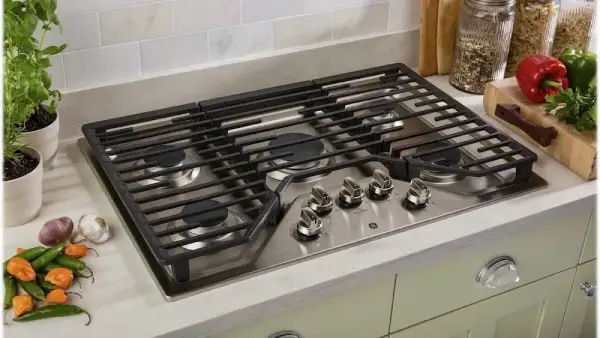
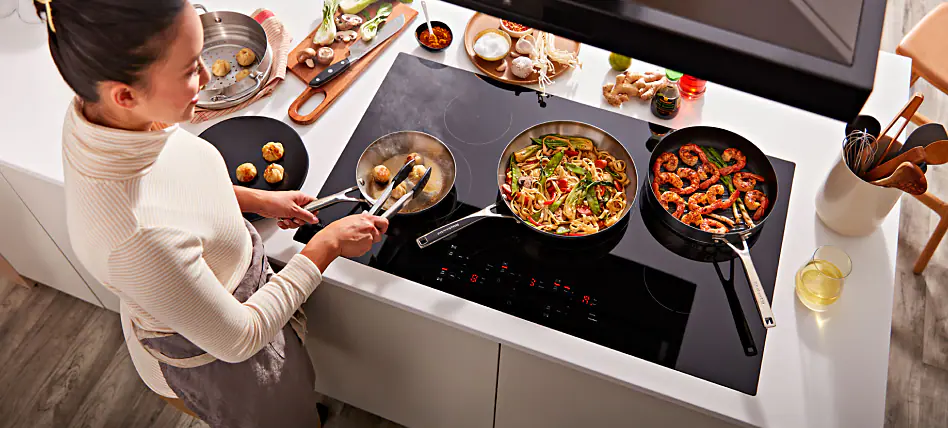
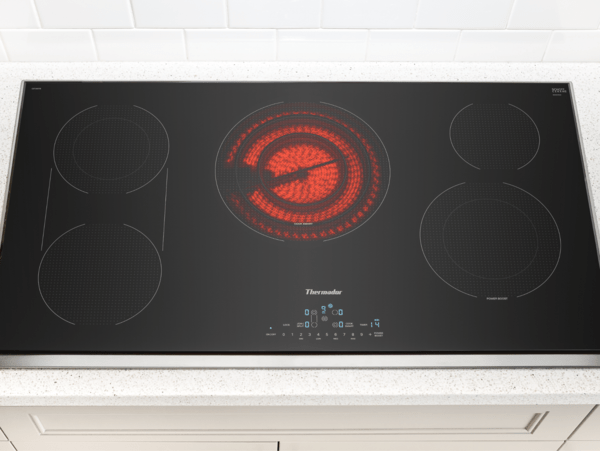
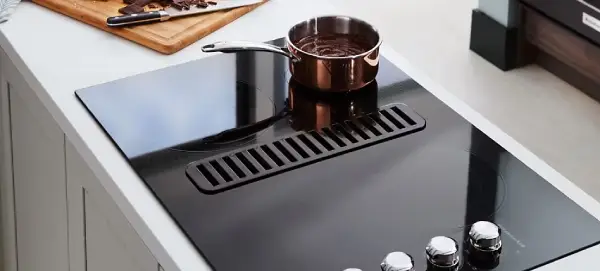
What Are the Four Basic Types of Cooktops?
Cooktops come in four different types: gas, electric, induction and downdraft. Each option has its own advantages and disadvantages, so be sure to research the possibilities before you purchase a new cooktop.
1.Gas Cooktops
Gas cooktops utilize an open flame for cooking, providing a hands-on experience with responsive control over heat adjustments. The immediate adjustability of the flame eliminates the need to wait for a heating element to reach temperature or cool down, enabling swift transitions between cooking techniques like searing and sautéing. Additionally, the open flame's ability to reach up the sides of certain pans proves advantageous when working with sculpted cookware, like woks.
Benefits of gas cooktops
- Quickly adjust heat levels
- Burners cool quickly
- Flames can get large enough to heat the sides of pots and pans
2.Induction Cooktops
An induction cooktop is a type of electric cooktop that uses electromagnetism to turn cookware into its own heat source. Energy is transferred directly into magnetic cookware for fast cooking. In addition, spills are less likely to bake on the cooking surface due to the system's ability to rapidly rise or drop the temperature. Aluminum or copper cookware without a magnetic core cannot be used on an induction cooktop.
For more detailed information on choosing the best induction cooktop for your needs,read this buying guide for the best induction cooktops.
For more detailed information on choosing the best induction cooktop for your needs,read this buying guide for the best induction cooktops.
Benefits of induction cooktops
- Fast cooking with compatible cookware
- Instantly adjust heat strength with responsive controls
- Easy to clean surface
3.Electric Cooktops
Electric cooktops use a ceramic or glass surface to contain metal coils or heating elements that heat food. These cooktops are great for boiling pasta or rice quickly, since they effectively direct energy to the bottom of the pot. If you're looking for a compact cooktop, electric models come in a variety of sizes, with ceramic-glass tops that are smooth and flat. Electric cooktops from Zsheme, for example, come in two-burner, four-burner, five-burner, and downdraft models.
Benefits of electric cooktops
- Direct heat transfer to pots and pans
- Flexible element sizes to fit a wide variety of cookware
- Easy to clean smooth surfaces
4.Downdraft Cooktops
Downdraft cooktops eliminate the need for overhead vents by integrating the ventilation system directly into the cooking surface. If you want an open kitchen feel, or if your cooktop will be installed on a kitchen island without room for a hood, they are a great option. In order to house the ventilation system, you'll need under-counter cabinet space.
Benefits of downdraft cooktops
- Combines ventilation with cooking in one appliance
- Can be installed in kitchens with open floor plans or kitchens without range hood capacity
Stovetop Features
Explore a variety of cooktop options to find the perfect fit for your kitchen needs. From high-heat burners to electronic touchpad controls, there are numerous features to consider. Some notable features include:
1.Downdraft Venting:
Cooktops with built-in downdraft vents eliminate the need for a range hood. These vents draw smoke, steam, and cooking odors down and away, leaving your kitchen with fresh, clean air.
2.Electronic Touchpad Controls:
Touch-sensitive controls with digital displays make it easy to select precise cooking temperatures, enhancing the overall intuitive operation of the cooktop.
3.Wok/Griddle/Grill Options:
Some cooktops accommodate wok accessories, while others provide space for griddles or grills. Griddle options are particularly useful for quick pancake preparation.
4.Simmer/High-Heat Burners:
Simmer burners handle delicate foods like sauces, while high-heat burners provide increased energy for tasks like rapid boiling or quick cooking.
5.Dual Elements:
Cooktops with dual elements allow you to choose between two differently sized elements (6-inch and 9-inch), matching the burner size to your cookware.
6.Bridge Elements:
These elements sit between two main burners like a bridge, accommodating oblong or oversized pots, pans, or griddles.
7.Additional Burners:
While most standard cooktops include four burners, some models feature one or two additional burners, ideal for elaborate meals with multiple sides and sauces.
8.Hot Surface Indicator Lights:
Available on some electric models, these lights alert you to a still-hot cooking surface, even when turned off. Particularly useful for multitasking cooks or busy kitchens.
Cooktops with built-in downdraft vents eliminate the need for a range hood. These vents draw smoke, steam, and cooking odors down and away, leaving your kitchen with fresh, clean air.
2.Electronic Touchpad Controls:
Touch-sensitive controls with digital displays make it easy to select precise cooking temperatures, enhancing the overall intuitive operation of the cooktop.
3.Wok/Griddle/Grill Options:
Some cooktops accommodate wok accessories, while others provide space for griddles or grills. Griddle options are particularly useful for quick pancake preparation.
4.Simmer/High-Heat Burners:
Simmer burners handle delicate foods like sauces, while high-heat burners provide increased energy for tasks like rapid boiling or quick cooking.
5.Dual Elements:
Cooktops with dual elements allow you to choose between two differently sized elements (6-inch and 9-inch), matching the burner size to your cookware.
6.Bridge Elements:
These elements sit between two main burners like a bridge, accommodating oblong or oversized pots, pans, or griddles.
7.Additional Burners:
While most standard cooktops include four burners, some models feature one or two additional burners, ideal for elaborate meals with multiple sides and sauces.
8.Hot Surface Indicator Lights:
Available on some electric models, these lights alert you to a still-hot cooking surface, even when turned off. Particularly useful for multitasking cooks or busy kitchens.
Before making a selection, measure the available space and consider the width and depth for a proper fit. For gas cooktops, ensure access to a gas source, while both gas and electric models require electrical hook-ups. With a wide range of stovetop options, finding the right fit for your kitchen, whether it's a two-burner coil cooktop or a 48-inch gas model, is a breeze.
What to Consider When Choosing a Cooktop?
When choosing a cooktop, there are several important factors to consider to ensure it meets your needs and fits seamlessly into your kitchen:
1.Ventilation Needs:
Evaluate your kitchen's ventilation requirements. Consider the placement of the cooktop and choose a suitable ventilation option, such as island-canopy hoods for kitchen islands or wall-mounted canopy hoods for installations in line with cabinets.
2.Installation Requirements:
Be aware of the unique installation needs associated with each cooktop type. Gas cooktops require a gas line, while electric cooktops do not. Consider the surface where the cooktop will be installed, especially for kitchen islands, where a retractable downdraft hood might be preferable.
3.Maintenance and Cleaning:
Different cooktop surfaces demand varying maintenance and cleaning methods. Gas cooktops require the removal and cleaning of grates, while induction and certain electric cooktops with smooth glass surfaces are easier to clean.
4.Preferred Cooktop Features:
Look for features that align with your cooking preferences. Consider simmer burners for low-heat settings, adjustable temperature settings, and additional features like bridge elements or griddle inserts to streamline meal prep.
5.Kitchen Layout:
Consider the size of the cooktop in relation to your kitchen layout. Standard sizes range from 15 to 36 inches wide, with commercial-style cooktops extending up to 48 inches. Ensure the chosen size complements your countertop dimensions and available space.
6.Cooktop Fuel Type: Gas or Electric:
Choose between gas and electric based on your cooking style and existing kitchen connections. Gas cooktops provide a hands-on experience with responsive flame control, while electric cooktops offer convenience and ease of cleaning.
7.Cooktop Dimensions:
Select the appropriate dimensions based on your space constraints and cooking needs. Smaller spaces may benefit from a compact 15-inch, two-burner electric cooktop, while larger models with more burners offer creative flexibility.
8.Burner Configurations:
Choose a burner configuration that suits your cooking habits and space limitations. Larger models with more burners, such as a 36-inch five-burner gas or electric cooktop, can accommodate complex cooking tasks.
1.Ventilation Needs:
Evaluate your kitchen's ventilation requirements. Consider the placement of the cooktop and choose a suitable ventilation option, such as island-canopy hoods for kitchen islands or wall-mounted canopy hoods for installations in line with cabinets.
2.Installation Requirements:
Be aware of the unique installation needs associated with each cooktop type. Gas cooktops require a gas line, while electric cooktops do not. Consider the surface where the cooktop will be installed, especially for kitchen islands, where a retractable downdraft hood might be preferable.
3.Maintenance and Cleaning:
Different cooktop surfaces demand varying maintenance and cleaning methods. Gas cooktops require the removal and cleaning of grates, while induction and certain electric cooktops with smooth glass surfaces are easier to clean.
4.Preferred Cooktop Features:
Look for features that align with your cooking preferences. Consider simmer burners for low-heat settings, adjustable temperature settings, and additional features like bridge elements or griddle inserts to streamline meal prep.
5.Kitchen Layout:
Consider the size of the cooktop in relation to your kitchen layout. Standard sizes range from 15 to 36 inches wide, with commercial-style cooktops extending up to 48 inches. Ensure the chosen size complements your countertop dimensions and available space.
6.Cooktop Fuel Type: Gas or Electric:
Choose between gas and electric based on your cooking style and existing kitchen connections. Gas cooktops provide a hands-on experience with responsive flame control, while electric cooktops offer convenience and ease of cleaning.
7.Cooktop Dimensions:
Select the appropriate dimensions based on your space constraints and cooking needs. Smaller spaces may benefit from a compact 15-inch, two-burner electric cooktop, while larger models with more burners offer creative flexibility.
8.Burner Configurations:
Choose a burner configuration that suits your cooking habits and space limitations. Larger models with more burners, such as a 36-inch five-burner gas or electric cooktop, can accommodate complex cooking tasks.