
Curious about induction cooktops? Our guide will help you learn more about how induction cooktops work and whether they’re right for you.
What Is an Induction Cooktop?
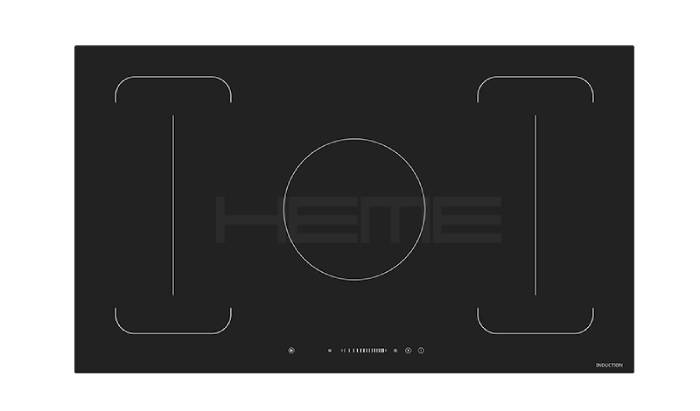
The induction cooktop is a stove top that uses electromagnetic energy to interact with compatible pots and pans, and as a result creates a heat source of its own. A coiled copper wire below the cooktop surface conducts this electromagnetic current, creating a magnetic field within the cookware, which heats it up.
How Does an Induction Cooktop Work?
An induction cooktop operates on a fascinating principle known as electromagnetic induction. Beneath its sleek surface lies a network of copper coil elements. When you select a cooking zone and set the desired temperature, an electric current flows through these coils, generating a magnetic field around them. Here's the magic: the cookware you place on the cooktop needs to be made of or contain ferrous (iron) material. This is because the magnetic field interacts solely with magnetic materials. When your induction-compatible pot or pan comes into contact with the cooktop, the magnetic field induces an electric current in the cookware's base, creating heat directly within the vessel. This heat then transfers efficiently to the food inside, offering precise temperature control and rapid heating. The cooktop adjusts the power supplied to the coil to achieve the desired temperature, allowing for responsive cooking. Furthermore, induction cooktops are renowned for their safety features; they only produce heat when compatible cookware is present, reducing the risk of accidents and energy wastage. In summary, induction cooktops revolutionize cooking with their efficient, precise, and safe heating method.
What Are the Benefits of an Induction Cooktop?
Induction cooktops have a number of benefits over electric and gas cooktops, including:
1. Precision control
A cooktop with an induction element heats the entire pan bottom quickly. It responds quickly to temperature changes, so you can move from boiling to simmering in less time.
2. Faster heating and cooking of foods
According to the Department of Energy1, induction cooktops can be up to 85 percent efficient in energy transfer - that is, 85 percent of the energy is transferred directly to the cookware, which makes them very efficient. As a result, improved efficiency generally leads to faster cooking times.
According to the Department of Energy1, induction cooktops can be up to 85 percent efficient in energy transfer - that is, 85 percent of the energy is transferred directly to the cookware, which makes them very efficient. As a result, improved efficiency generally leads to faster cooking times.
3. Easy clean up
Since an induction cooktop does not generate its own heat, it remains relatively cool compared to a radiant electric cooktop. When you cook your favorite sauces or meals, the cooler surface can reduce the possibility of baking, charring or burnt-on grease stains. Before cleaning the cooktop, allow it to cool completely. Heat can transfer from the pans to the cooktop.
How to Clean an Induction Cooktop?
Cleaning an induction cooktop is relatively easy and requires some basic steps to keep it looking its best. Here's a simple guide on how to clean an induction cooktop:
Materials You'll Need:
- Soft cloth or sponge
- Mild dish soap
- Baking soda (optional)
- Razor scraper (for stubborn stains)
Step-by-Step Cleaning Process:
- Safety First: Ensure that the induction cooktop is turned off and completely cool before you begin cleaning. This is crucial to prevent burns.
- Remove Cookware: Take off any pots, pans, or utensils from the cooktop, and set them aside.
- Wipe Away Loose Debris: Use a soft cloth or sponge to gently wipe away any loose food particles or spills. This helps prevent scratches during the cleaning process.
- Prepare a Soapy Solution: In a bowl or sink, mix a few drops of mild dish soap with warm water to create a soapy solution.
- Clean the Surface: Dip the cloth or sponge into the soapy water and wring it out to ensure it's not too wet. Then, gently wipe the cooktop's surface to remove any greasy residue or stains. For stubborn stains, you can make a paste by mixing baking soda with a little water and gently scrub the area.
- Rinse and Dry: Rinse the cloth or sponge thoroughly to remove any soap residue and wipe the cooktop surface again with clean water. Dry it using a clean, dry cloth to prevent water spots or streaks.
- Burned-On Residue: If you have burned-on residue or tough stains, you can use a razor scraper designed for glass cooktops. Hold the scraper at a slight angle and gently scrape off the residue. Be very careful not to scratch the glass surface. Afterward, clean the area with soapy water and rinse.
- Maintain Regularly: To keep your induction cooktop looking its best, it's a good practice to clean up spills and food residue promptly after cooking. This prevents them from hardening and becoming more difficult to remove.
- Use Induction Cooktop Cleaner (Optional): Some induction cooktops come with specific cleaning products or kits. If you have one, follow the manufacturer's instructions for using it.
- Polish (Optional): If you want to add extra shine, you can use a cooktop polish or specific induction cooktop cleaner according to the product's instructions.
Remember to consult your cooktop's user manual for any specific cleaning recommendations from the induction cooktop manufacturer, as some cooktops may have unique care instructions. Regular cleaning and maintenance will help keep your induction cooktop looking clean and working efficiently.

Induction Cooktop Vs. Electric Cooktop
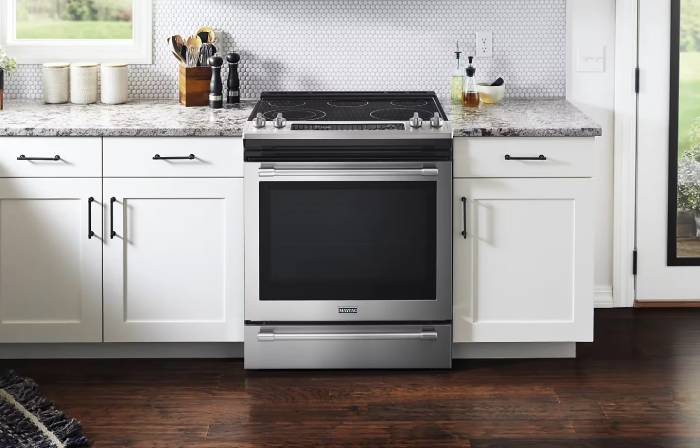
It is easy to clean both electric and induction cooktops, but electric cooktops are a little different from induction cooktops because they have sleek, smooth surfaces. A radiant electric cooktop heats an element with infrared energy, which then heats your pan directly, while an induction cooktop heats the pan directly. In contrast to induction cooktops, electric cooktops take a little longer to cool down. We offer two-burner and five-burner electric configurations.
There are some things to consider when choosing between an electric and an induction cooktop:
When it comes to induction cooking, getting everything prepped and ready to use before turning on a heating zone is crucial. Induction cooktops heat pans quickly, which might change your natural cooking rhythm. Find out more about mise en place cooking and its benefits.
Using induction cooktops may create operational sounds that aren't typical of other cooktops, such as a low humming sound when cooking at high power, a crackling sound when using cookware made of different materials that aren't inductively compatible, and a fan noise that occurs when adjusting the temperature.
Induction Cooktops Vs Gas Cooktops
Gas cooktops have been popular for a while thanks to their quick cooking response. Gas cooktops use natural gas or propane flames. When the burner is turned on, a flame ignites and immediately heats the cookware, which heats your food.
The following factors should be considered when deciding whether a gas or induction cooktop is right for you:
- Similar to gas cooktops, induction cooktops deliver accuracy and control.
- If you're interested in a gas cooktop but don't have an existing connection, these can be an excellent alternative.
- With their smooth, quick-to-cool cooking surfaces, induction cooktops are easier to clean than gas cooktops.
Check out our full selection of induction cooktops, electric four burner cooktops to find the right fit for your kitchen.